CANTONESE HOME COOKING
Cantonese Beef Chow Fun
干炒牛河
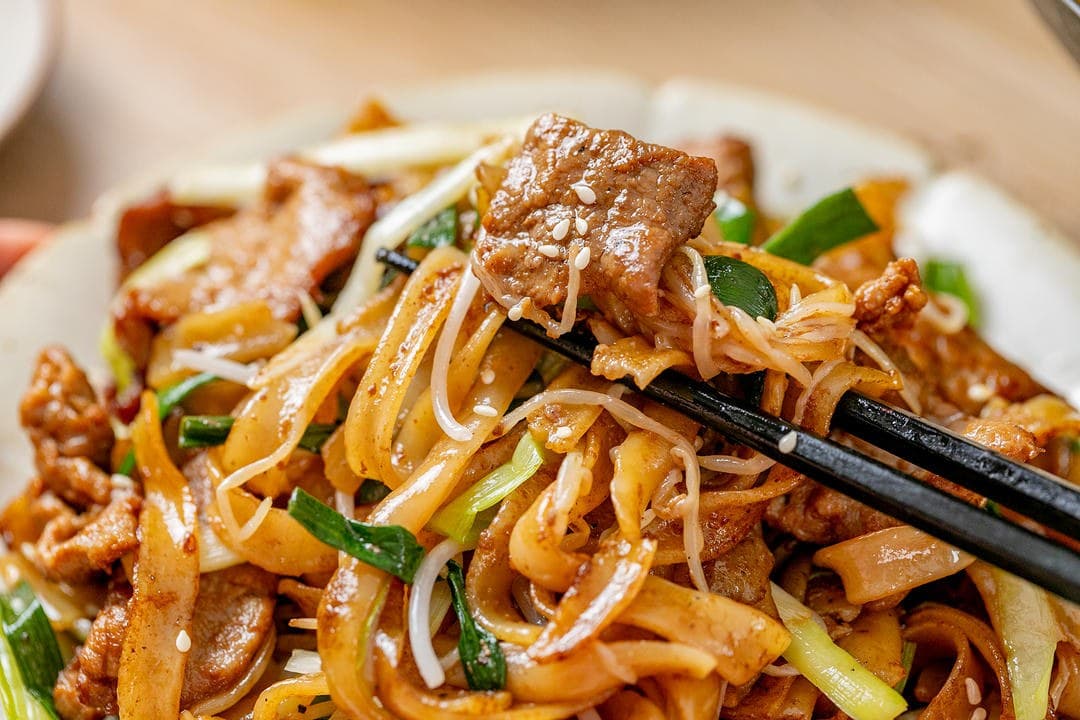
Beef chow fun is a dry-style Cantonese stir-fry of wide rice noodles, tender beef and bean sprouts. This home-kitchen version explains which noodles to buy, how to separate them without tearing, and when to add light and dark soy sauce.
By Canto Hearth Editorial · Source-informed recipe. Not yet kitchen-tested by us.
Jump to ingredients & steps ↓6 step-by-step photos · Tap any photo for a closer look.
Before you start
- Equipment: a wide, well-seasoned wok or large skillet, flexible spatula, tongs or long cooking chopsticks, and a thin-tip digital food thermometer. A smaller skillet needs two batches.
- Use fresh rice noodles before their use-by date. If refrigerated noodles are rigid, follow their package warming instructions, then gently separate while flexible; do not force a cold block apart. Drain any moisture before frying.
- Prepare everything before heating the pan. Mix half the measured light soy sauce with all the dark soy sauce in a small bowl. Keep the remaining half of the light soy for the beef. Reserve one third of the oil for the marinade and divide the rest into equal beef, sprout and noodle cooking portions.
- About 25 minutes preparation, including the 15-minute refrigerated marinade, plus 10–15 minutes cooking. Package-required noodle preparation may add time.
Let’s cook.
Slice the beef across the grain
Find the direction of the muscle fibres and cut across them into thin, even slices. Pat dry with kitchen paper. Keep the raw-meat board and knife away from the washed vegetables.
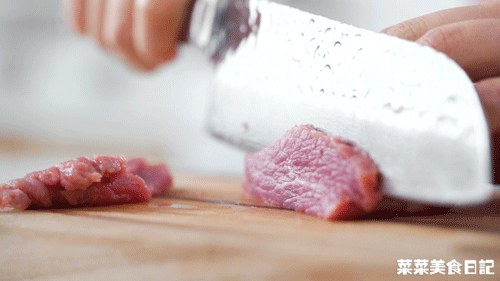
Look for thisThin, evenly cut slices are more useful here than a powerful stove: thick chunks become chewy before the noodles are ready.
Make a light starch coating
Mix the beef with the reserved half of the light soy sauce, oyster sauce, sugar, white pepper and rice wine. Work in the measured water gradually, stopping if the meat cannot absorb it. Mix in the cornstarch, then the marinade portion of oil. Cover and refrigerate for 15 minutes. Do not taste the raw marinade.
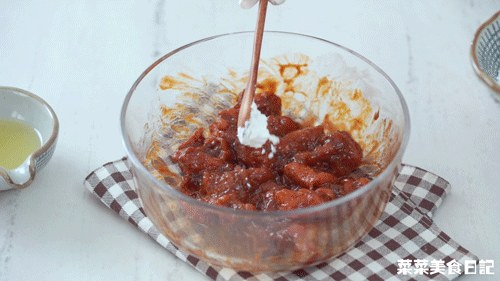
Look for thisThe slices should be lightly coated, not sitting in a large puddle. This adaptation omits the source recipe’s egg white and baking soda.
Dry the vegetables and loosen the noodles
Trim the bean sprouts if you prefer. Drain thoroughly. Cut the yellow chives and scallion greens, and gently pull the prepared rice noodles apart. Keep each ingredient close to the stove in its own bowl.
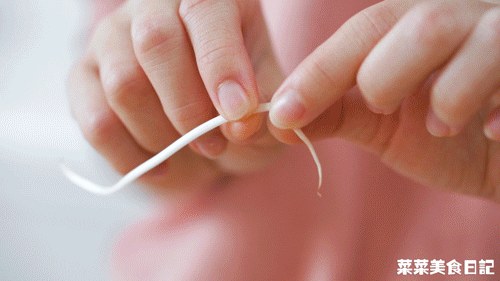
Look for thisWet sprouts and tangled noodles cool the pan and make tearing more likely.
Cook the beef, then the sprouts
Heat a well-seasoned wok or wide skillet over medium-high heat. Add the beef-cooking portion of oil. Spread the beef in one layer, let the surfaces set, then stir-fry until cooked through; start checking after about 2 minutes. Check several thicker slices from the side with a thin-tip thermometer for at least 71°C (160°F). Transfer to a clean plate. Add the sprout-cooking portion of oil and stir-fry the bean sprouts until thoroughly steaming hot, about 1–2 minutes, then transfer beside the beef.
Look for thisDo not return cooked food to the raw-meat plate. Avoid smoking oil; follow the heat limit of your cookware, especially nonstick.
Let the noodles contact the pan
Add the noodle-cooking portion of oil. Spread the loose noodles across the hot pan. Leave them briefly, about 20–30 seconds, then lift and fold with a spatula and chopsticks or tongs. Work in batches if they form a deep pile, dividing the oil between batches.
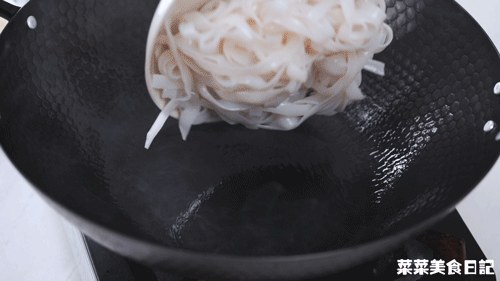
Look for thisLift from underneath instead of chopping down. A little browning is welcome; hard scraping shreds soft rice noodles.
Season in small additions
Drizzle the reserved light-and-dark-soy mixture over the noodles in two additions. Lift and fold after each addition until the color is reasonably even. If the sauce scorches immediately, lower the heat.
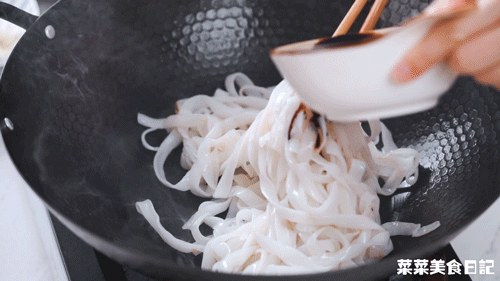
Look for thisThe noodles should be coated, not swimming in sauce. Dark soy supplies color, so do not keep pouring in light soy just to darken the dish.
Combine, heat through and serve
Return the cooked beef and sprouts. Add the yellow chives and scallion greens. Fold gently until everything is hot and the greens have wilted, about 1–2 minutes. Serve immediately, with the optional sesame seeds.
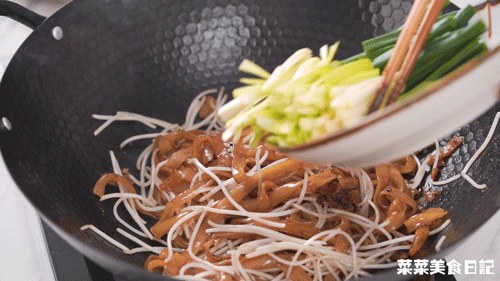
Look for thisAim for separate, glossy ribbons with no pool of liquid. This is dry-style chow fun, not noodles with gravy.
When it doesn’t go to plan
The rice noodles break into short pieces
They may have been forced apart while cold, overcooked before frying, or chopped with the spatula. Follow package warming directions, drain well and lift gently. Look for noodles intended for stir-frying.
The noodles stick in one heavy clump
Separate them before the pan, use a wide enough cooking surface and cook in smaller batches. Do not add a cup of water to release them: that turns this into a wet noodle dish.
The stir-fry is pale but already salty
Stop adding light soy. The small measured amount of dark soy provides color; reduced-sodium soy and dark soy are not interchangeable categories.
The beef is chewy
Slice across the grain, keep the thickness even, cook it separately and return it only at the end. A long finishing stir-fry makes even tender cuts firmer.
Small details, better cooking.
- This is an independently written home-kitchen adaptation, not a tested Canto Hearth recipe. The source photographs illustrate the ingredient stages; they are not photographs of our own cook-through.
- The original uses an oil-passing technique with much more oil, egg white and baking soda. This version uses measured pan-frying oil, omits egg white and baking soda, and does not promise restaurant-level wok hei.
- The source’s extra 1/2 tsp salt is omitted because the two soy sauces and oyster sauce already season the dish. Different brands vary: make one batch before changing the balance.
- Use a 15 ml tablespoon and a 5 ml teaspoon for the listed volumes. Noodle weights are fresh weights. Scaling the ingredients does not make a home pan larger: fry multiple batches.
- For a make-ahead meal, prep the sauce and vegetables separately. Cook the noodles close to serving; cooling and reheating change their texture. Refrigerate leftovers promptly and reheat to 74°C (165°F).
Working with what you have
Fresh wide rice noodles
Dried wide rice noodles prepared according to their package
The texture and required water absorption differ. Match the listed fresh-noodle weight with prepared, drained noodles, not the same weight of dry noodles. Judge pan capacity and cook in batches as needed.
Yellow Chinese chives
Extra scallion greens
A practical North American supermarket option with a different aroma. Regular garlic chives are stronger than the pale yellow variety.
Oyster sauce
Labelled vegetarian mushroom stir-fry sauce
Start with the listed oyster-sauce quantity, check its soy/wheat ingredients and expect a different flavor. This changes the beef marinade, not the noodle sauce.
Chinese dark soy sauce
Omit if unavailable
The noodles will be lighter. Do not replace it with a large extra pour of light soy; see the site’s soy-sauce finder for bottle choices.
Need a unit conversion? Open kitchen tools. For ingredients, visit the pantry.
Questions from the kitchen
What is the difference between chow fun and chow mein?
Chow fun uses wide flat rice noodles. Chow mein usually uses wheat-based noodles. Buy ho fun, hor fun or shahe fen for this dish rather than the thin egg noodles used in our soy-sauce fried noodles.
Do I need a restaurant wok burner?
No. Use a wide pan, prepare everything first and fry a small batch. You can make a useful home version, but the intense smoky flavor of a professional wok burner is not guaranteed.
Is beef chow fun gluten-free?
Not automatically. Rice noodles may contain only rice, but ordinary soy sauce and some oyster sauces contain wheat. Check every noodle and sauce label, use verified gluten-free products if needed, and expect the flavor balance to change.
Which soy sauce should I buy?
For this version, buy Chinese light soy for seasoning and a separate Chinese dark soy for color. Light does not mean low sodium. Our soy-sauce finder and light-versus-dark guide explain the English and Chinese bottle labels.
Prefer to send a private correction?
Sources & editorial notes
Independently written in English using the references below. Timing and ingredient adjustments still need home-kitchen validation. No source photographs or text are reproduced without permission.
- 粤菜【干炒牛河】,广东人最爱的宵夜! — 菜菜美食日记. Accessed 2026-09-27.
- Safe internal cooking temperatures — Health Canada. Accessed 2026-09-27.
FROM YOUR KITCHEN
Made it? Make it yours.
Share your plate, tell us what you changed, or ask a cooking question. Your experience can help the next home cook.
Kitchen notes 0
The table is ready for your first plate.
No public notes yet. A home-cooked result does not have to look perfect to be worth sharing.
Next on the table
 01
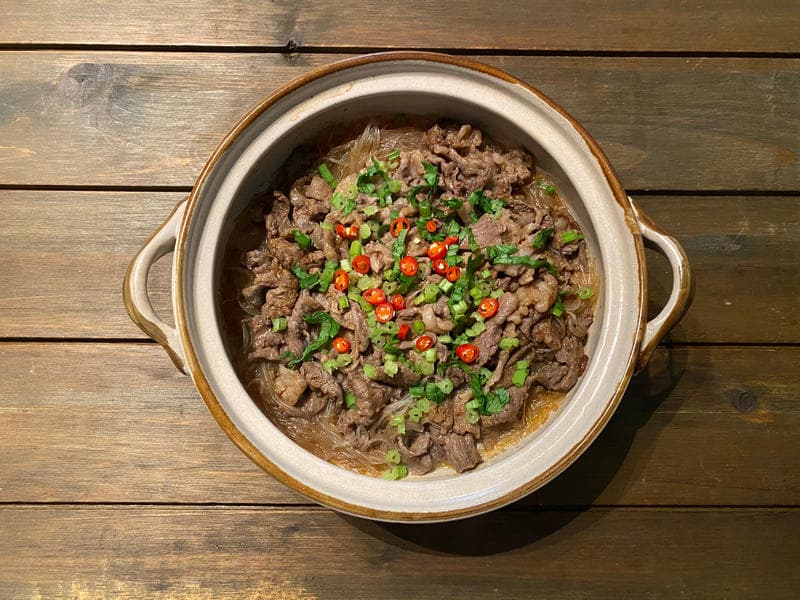
01Chaoshan Shacha Beef Pot with Glass Noodles
This Chaoshan shacha beef pot layers thin beef, glass noodles, enoki mushrooms and onion in one covered pan. Shacha sauce brings the savory seafood-and-spice flavor associated with this eastern Guangdong style of cooking.
 02
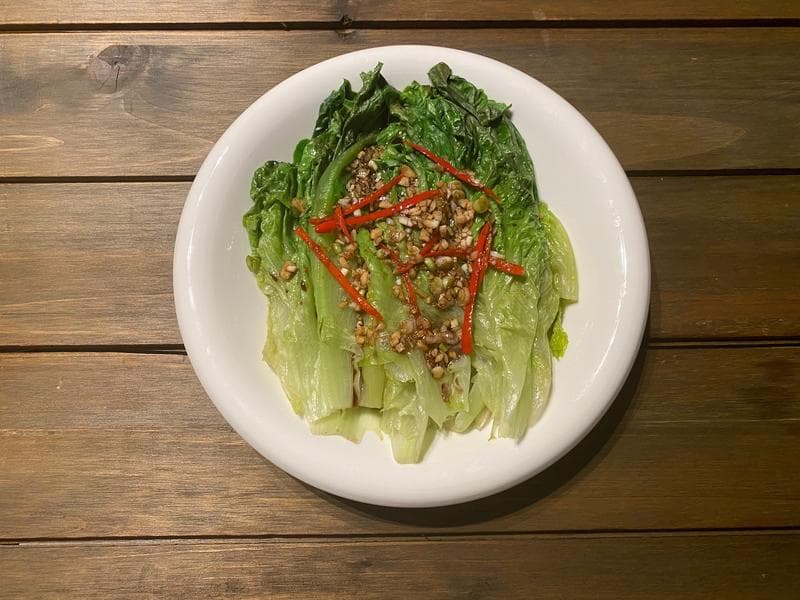
02Cantonese Blanched Lettuce with Garlic Soy Dressing
Cantonese blanched lettuce, or bai zhuo sheng cai, pairs just-wilted leaves with a fragrant garlic and soy dressing. A small amount of black vinegar gives this quick Guangdong vegetable side a rounded flavor without a heavy sauce.
 03
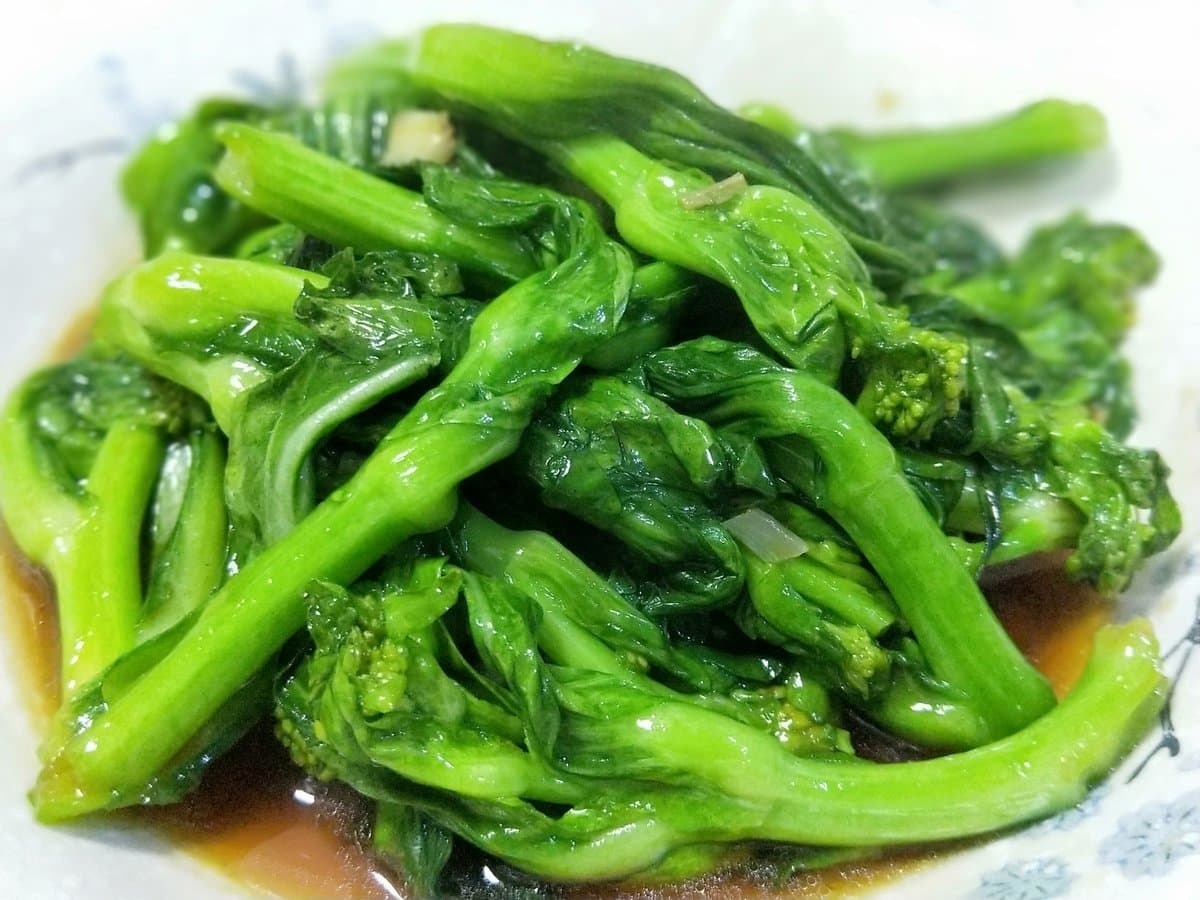
03Garlic Choy Sum
Tender choy sum with fragrant garlic and ginger, finished with a short covered cook. Learn to trim the stems, cook the greens evenly and keep the leaves bright and the stalks tender.