CANTONESE HOME COOKING
Cantonese Sweet and Sour Pork with Pineapple
菠萝咕噜肉
Cantonese sweet and sour pork, often called gu lou yuk, combines crisp starch-coated pork with pineapple, peppers and a glossy tangy sauce. Toss the fried pork through the finished sauce at the last moment to keep its crust as crisp as possible.
By Canto Hearth Editorial
Jump to ingredients & steps ↓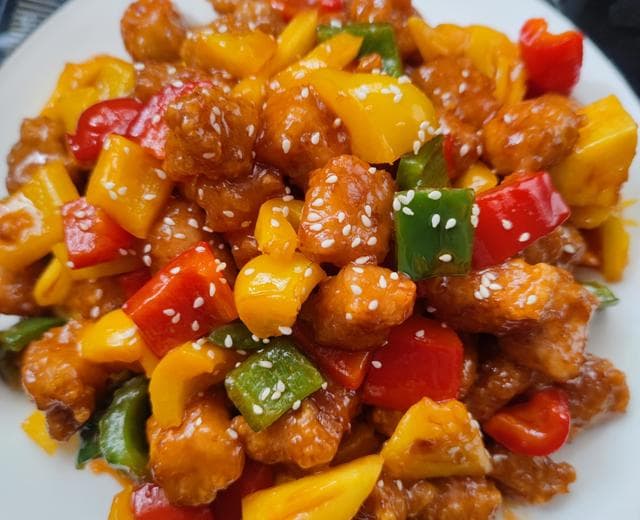
Let’s cook.
Marinate and prepare the vegetables
Mix pork with egg white, soy sauce, 1 tbsp vinegar, optional salt and sweet potato starch. Refrigerate for 30 minutes. Cut and thoroughly dry the peppers and pineapple. Mix water, sauce vinegar, ketchup and sugar separately; taste and adjust before it touches raw meat.
Coat each piece
Roll the marinated pork in cornstarch and shake off excess. Keep pieces separate. Use a deep, stable pot with plenty of headroom; never fill it more than one-third with oil.
Fry the pork through
Heat the oil to about 165°C / 330°F. Fry pork in small batches, leaving the coating undisturbed until set. Turn and cook until lightly golden and the thickest center reaches at least 63°C / 145°F. Drain on a rack and rest for at least 3 minutes. Time varies with cube size.
Crisp the coating
Bring the oil to about 185°C / 365°F. Briefly refry each batch for roughly 30–60 seconds until crisp and golden. Drain well. Keep all utensils and food surfaces dry to limit splashing.
Cook the peppers and glaze
In a separate wide pan, use 1 tbsp of the frying oil to stir-fry the peppers until just tender. Add the mixed sauce and simmer, stirring, until glossy and slightly thickened. Add pineapple and warm through.
Toss off the heat
Switch off the heat and fold the pork through the sauce quickly. Use only enough sauce to coat it; serve extra separately if needed. Scatter with optional sesame and bring to the table immediately.
Small details, better cooking.
- This sauce is deliberately tangy. Start with less sauce vinegar if your ketchup is already sharp.
- Fry the pork separately from the vegetables so moisture does not soften its crust.
- Do not cover freshly fried pork: trapped steam makes the coating soft.
Working with what you have
Sweet potato starch
Use cornstarch in the marinade.
The coating texture will differ slightly.
Fresh pineapple
Use canned pineapple in juice, thoroughly drained.
Avoid adding the packing liquid to the sauce unless you also adjust its sweetness and thickness.
Need a unit conversion? Open kitchen tools. For ingredients, visit the pantry.
Questions from the kitchen
Why does sweet and sour pork turn soggy?
Sauce and steam soften the crust. Drain fried pork on a rack, reduce the sauce first and toss immediately before serving.
Is this the same as Fujian lychee pork?
They share a sweet-and-sour profile, but Fujian lychee pork and Cantonese gu lou yuk are distinct dishes. This pineapple-and-pepper version is presented as Cantonese-style sweet and sour pork.
Can I prepare the sauce ahead?
Yes. Mix the sauce and refrigerate it separately. Fry and toss the pork close to serving time for the best texture.
Next on the table
 01
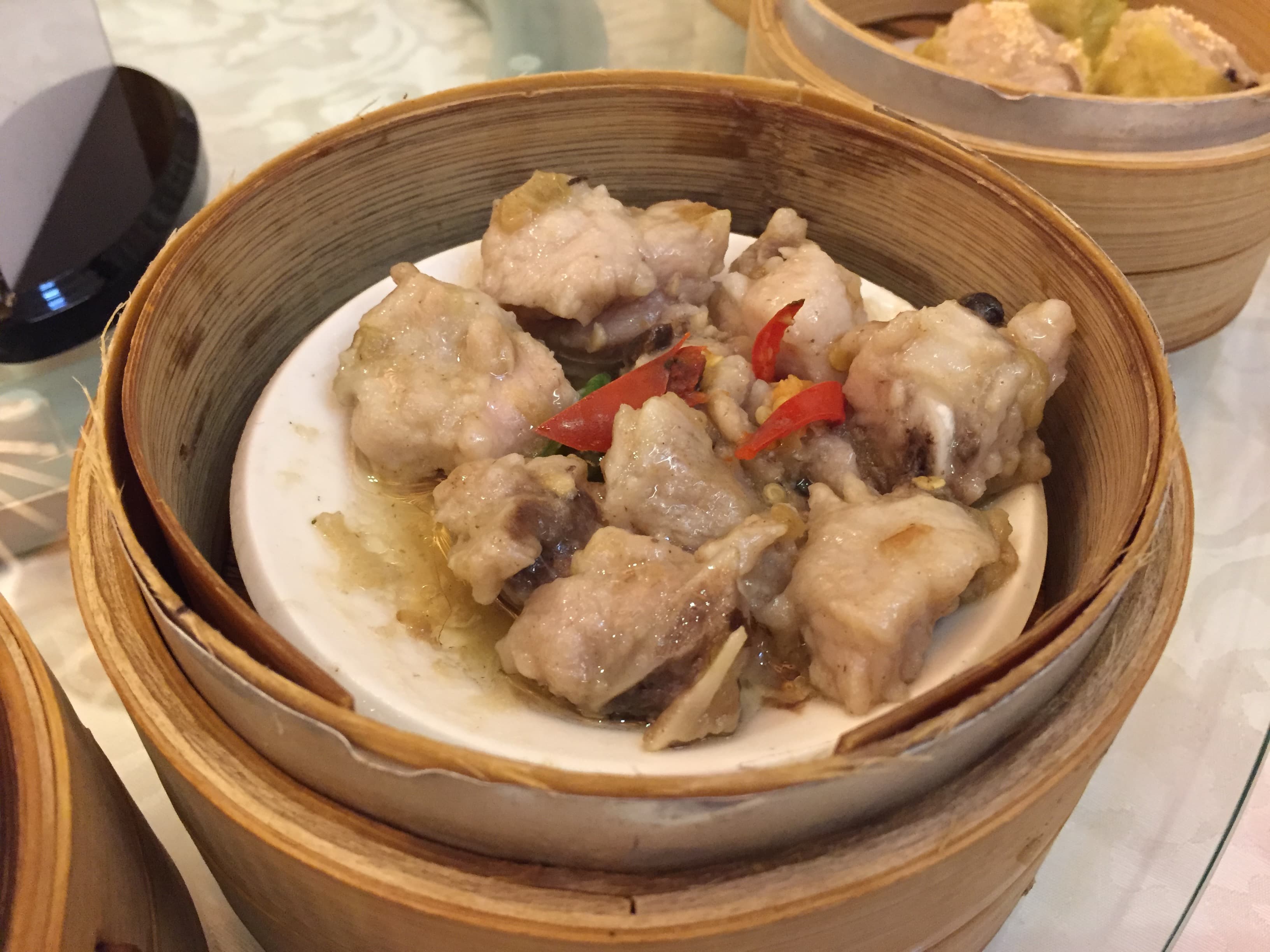
01Steamed Pork Ribs with Black Beans
Small pork-rib pieces steamed with fermented black beans and garlic. Learn which beans to buy, how to arrange the dish and how to check doneness. Not yet kitchen-tested.
 02
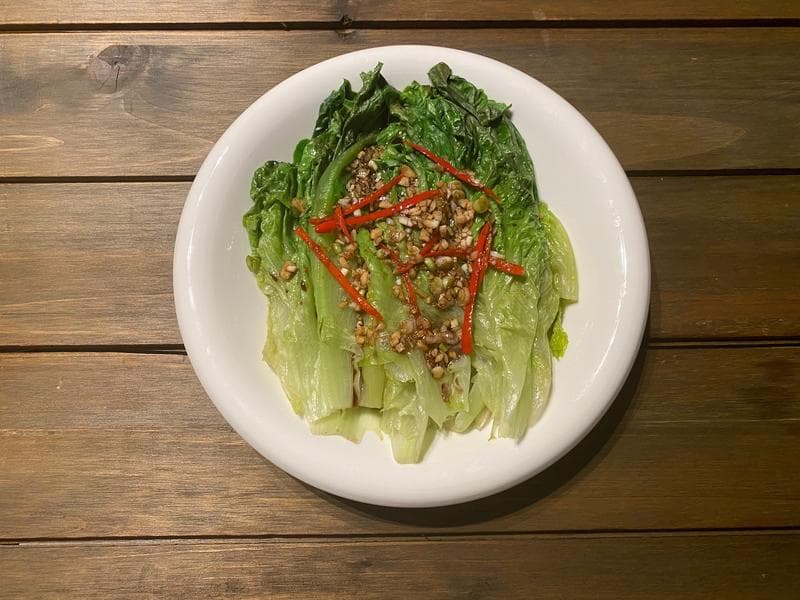
02Cantonese Blanched Lettuce with Garlic Soy Dressing
Cantonese blanched lettuce, or bai zhuo sheng cai, pairs just-wilted leaves with a fragrant garlic and soy dressing. A small amount of black vinegar gives this quick Guangdong vegetable side a rounded flavor without a heavy sauce.
 03
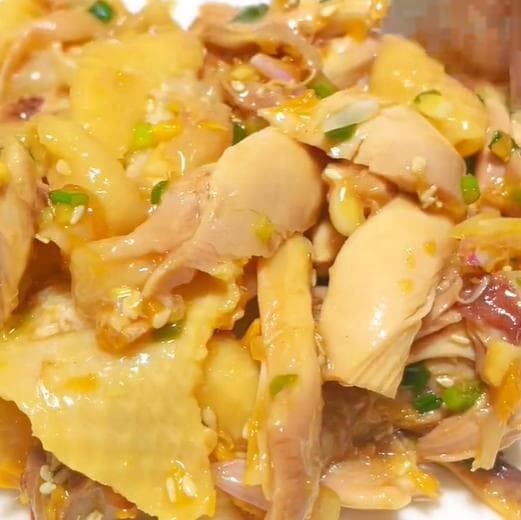
03Cantonese Ginger Scallion Chicken
Cantonese ginger scallion chicken combines tender poached chicken with a warm ginger, shallot and scallion dressing. This shredded version of jiang cong lao ji is easy to serve over rice, with the aromatic sauce tossed through just before eating.