CANTONESE HOME COOKING
Cantonese Stuffed Three Treasures (Jian Niang San Bao)
煎酿三宝
Jian niang san bao means stuffed three treasures: vegetables filled with a springy fish-and-pork mixture, pan-fried until golden, then finished with a light sauce. This Cantonese home version uses eggplant, green pepper and tofu puffs.
By Canto Hearth Editorial
Jump to ingredients & steps ↓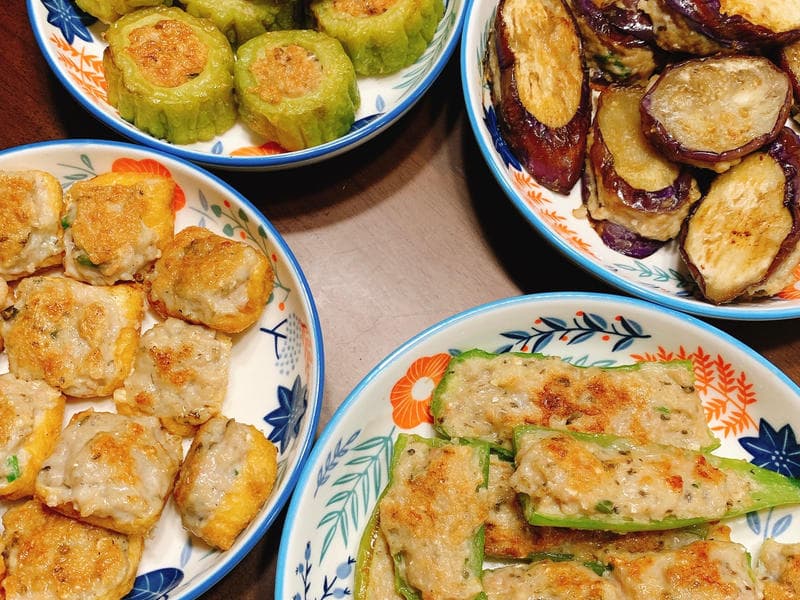
Let’s cook.
Mix a sticky filling
Stir the minced fish and pork with scallions, 1 tbsp cornstarch, oyster sauce, half the sugar and salt. Gradually mix in the beaten egg until the mixture is cohesive and tacky; stop before it becomes loose. Keep chilled while preparing the vegetables.
Prepare three kinds of pockets
Slice the eggplant diagonally into paired slices about 7 mm each, leaving one edge attached to form a pocket. Halve and seed the peppers, then cut into manageable cups. Split the tofu puffs. Pat the surfaces dry.
Dust and fill
Lightly dust the inside of each pocket with cornstarch. Press in a shallow layer of filling, smoothing it firmly against the vegetables. Avoid thick mounds that would take much longer to cook than the vegetables.
Pan-fry in batches
Heat a thin film of oil in a wide skillet over medium-low heat. Place filled peppers and tofu meat-side down; lay eggplant pockets on their flat sides. Cook until golden, then turn. Add a small splash of water, cover and steam-fry until the filling reaches 71°C / 160°F in the center. Keep cooked pieces warm.
Make the finishing sauce
In the same pan, gently cook the garlic. Add soy sauce, the remaining sugar and 120 ml water. Simmer for about 3 minutes, then stir in the cornstarch slurry a little at a time until lightly thickened. Spoon over the stuffed vegetables and serve.
Small details, better cooking.
- The source uses equal weights of fish and pork; this four-serving batch keeps that ratio.
- A dry surface and a light starch dusting help the filling stay attached.
- Work in batches so each piece touches the hot pan.
Working with what you have
Dace
Use thoroughly deboned firm white fish such as pollock.
The filling may be less bouncy than traditional dace paste.
Tofu puffs
Use another pepper or extra eggplant.
The dish still uses the same stuffing method, though the selection of treasures changes.
Need a unit conversion? Open kitchen tools. For ingredients, visit the pantry.
Questions from the kitchen
What are the three treasures?
They are three vegetables or tofu items chosen for stuffing. Eggplant, pepper and tofu puffs are used here; other versions include bitter melon or mushrooms.
Why does the filling fall out?
Excess surface moisture, too much filling or turning too early can loosen it. Dry the pockets, dust with starch and allow the first side to set.
Can I prepare these ahead?
Fill them up to a day ahead and refrigerate covered at 4°C / 40°F or below. Cook thoroughly before serving.
Next on the table
 01
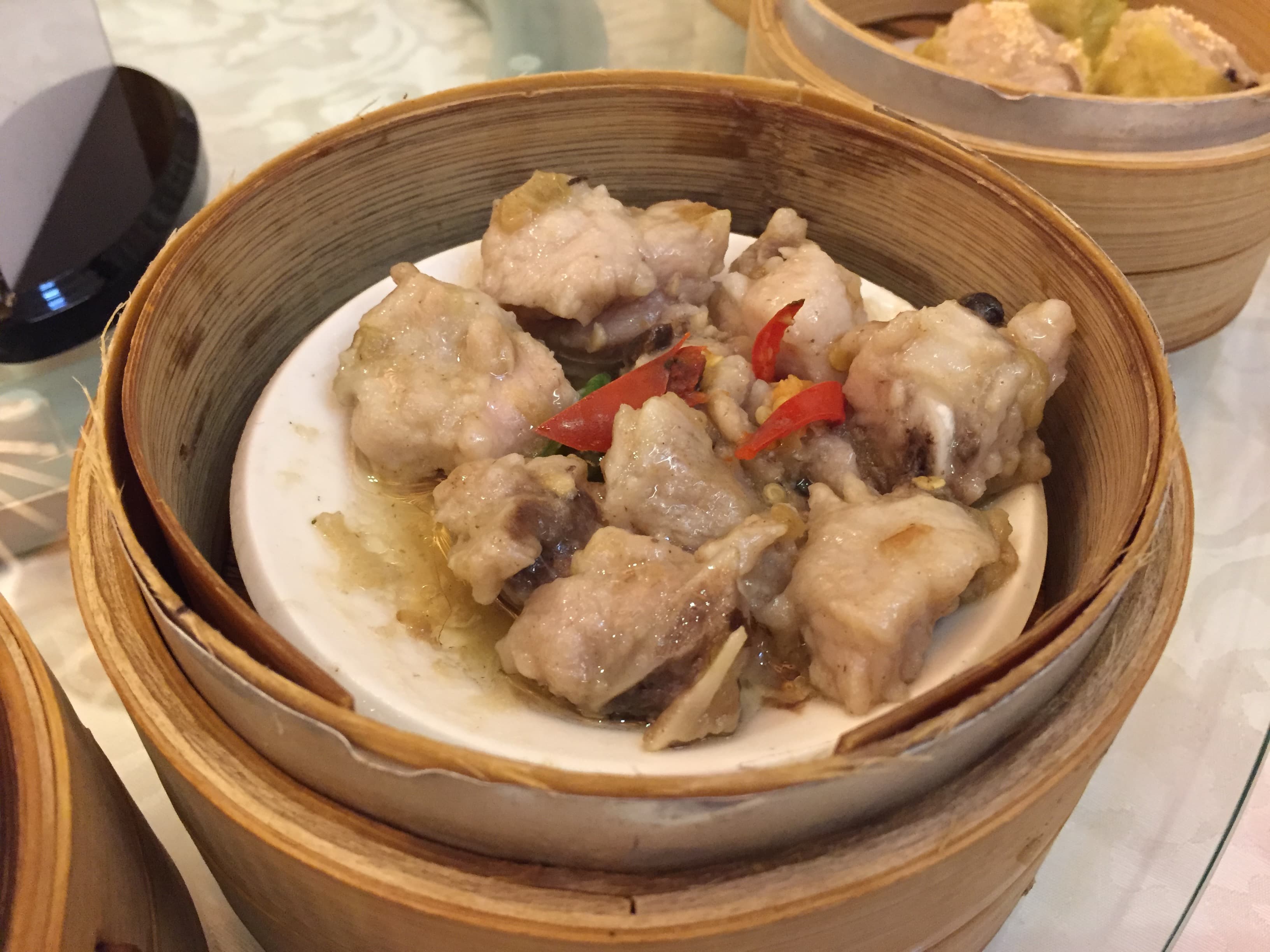
01Steamed Pork Ribs with Black Beans
Small pork-rib pieces steamed with fermented black beans and garlic. Learn which beans to buy, how to arrange the dish and how to check doneness. Not yet kitchen-tested.
 02
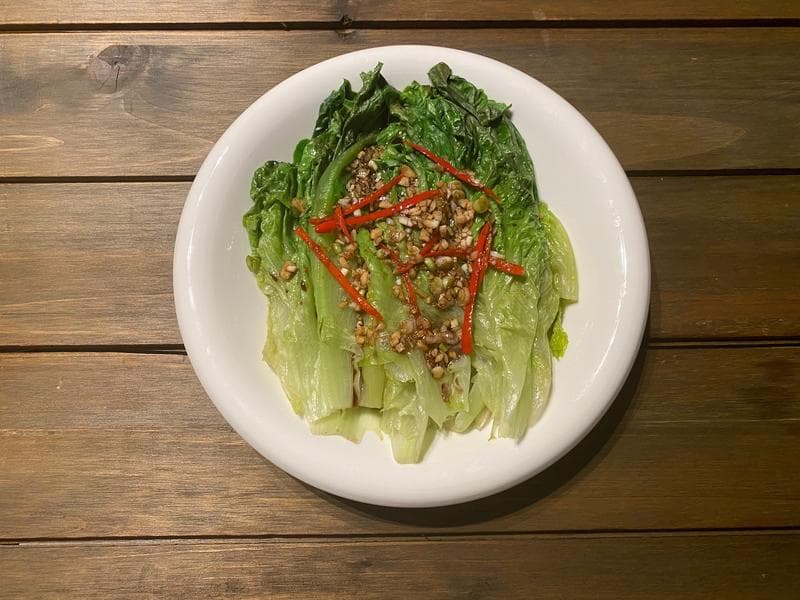
02Cantonese Blanched Lettuce with Garlic Soy Dressing
Cantonese blanched lettuce, or bai zhuo sheng cai, pairs just-wilted leaves with a fragrant garlic and soy dressing. A small amount of black vinegar gives this quick Guangdong vegetable side a rounded flavor without a heavy sauce.
 03
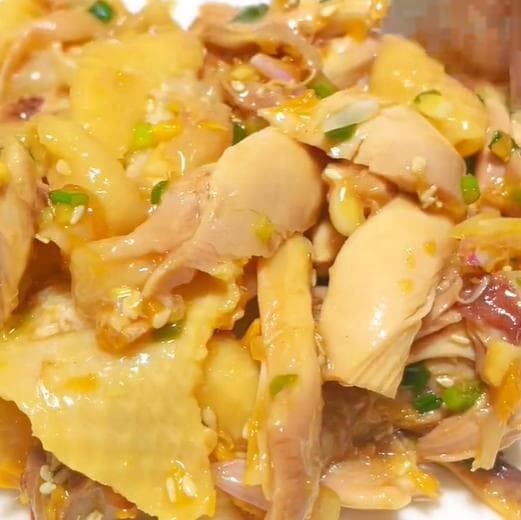
03Cantonese Ginger Scallion Chicken
Cantonese ginger scallion chicken combines tender poached chicken with a warm ginger, shallot and scallion dressing. This shredded version of jiang cong lao ji is easy to serve over rice, with the aromatic sauce tossed through just before eating.