CANTONESE HOME COOKING
Cantonese Steamed Fish with Ginger and Scallions
姜葱清蒸鲈鱼
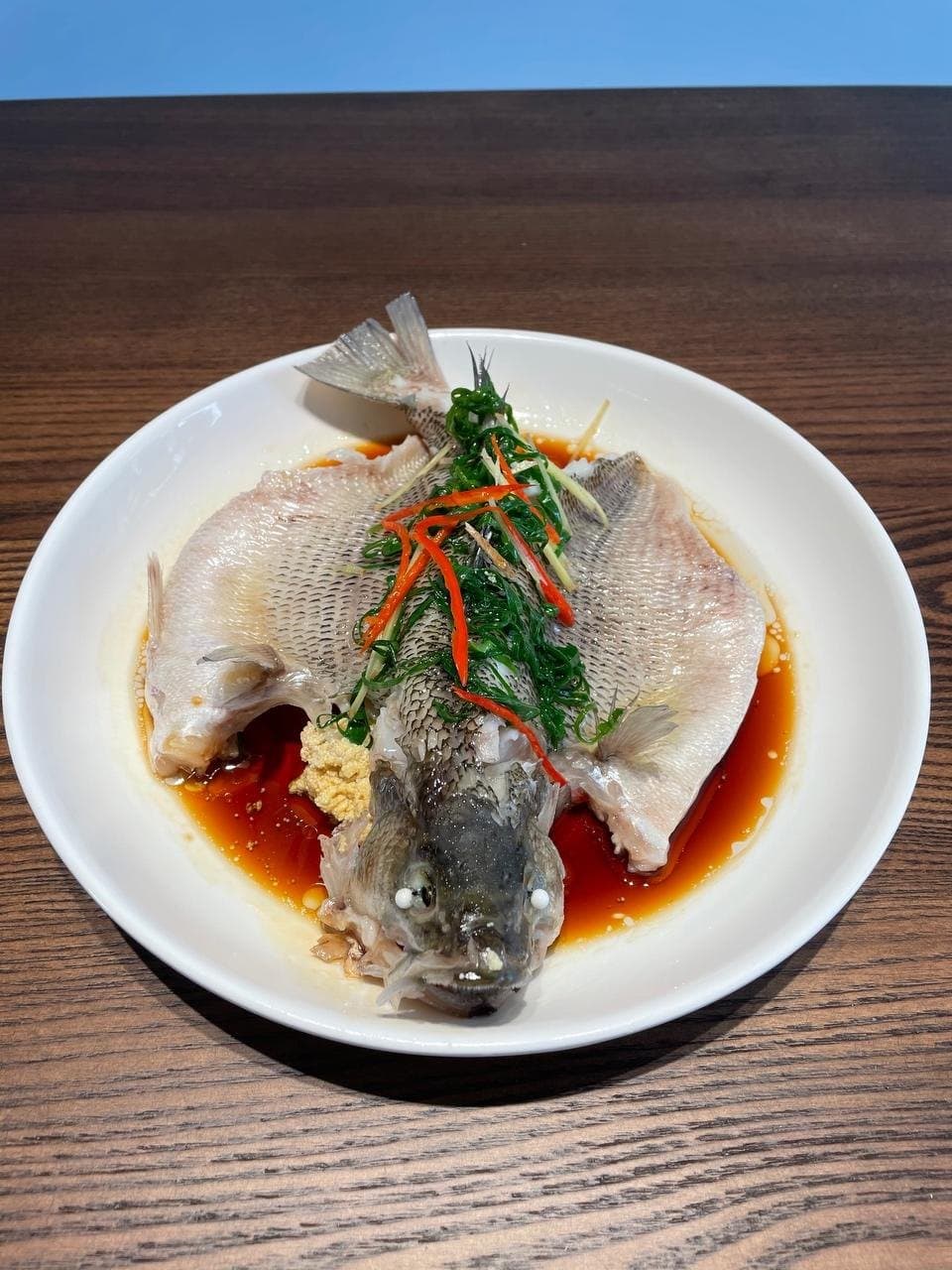
A whole fish steamed over ginger and scallions, then finished with seasoned soy sauce and a small hot-oil drizzle. Follow the photographed plate setup, doneness check and final dressing. The fish is opened alongside the backbone for more even steaming; it is not a fillet recipe.
By Canto Hearth Editorial · Source-informed recipe. Not yet kitchen-tested by us.
Jump to ingredients & steps ↓6 step-by-step photos · Tap any photo for a closer look.
Before you start
- Check the cleaned fish, rimmed heatproof plate and steamer lid all fit before buying or starting. A large lidded wok or pot with a stable rack works; the plate must stay above the water.
- Ask the fishmonger for the opened, bone-in presentation shown in the photos. Do not try to force a kitchen knife through a thick backbone. Fish fillets need a different shape and timing.
- Keep the fish refrigerated until ready. Pat it dry and clean surfaces after handling raw fish. The source’s salt-rub rinse is omitted here; rinsing is not a safety treatment.
- Prepare the finishing ginger, scallion and optional chili before steaming. Drain them well: wet garnish splutters more when hot oil is added.
Let’s cook.
Build a raised aromatic bed
Arrange the ginger slices and scallion sections on a rimmed heatproof plate. Lay two plain, heat-safe bamboo chopsticks across them as shown, if needed to lift the fish slightly. Use a plate large enough for the fish and small enough to leave room around its edge in the steamer.
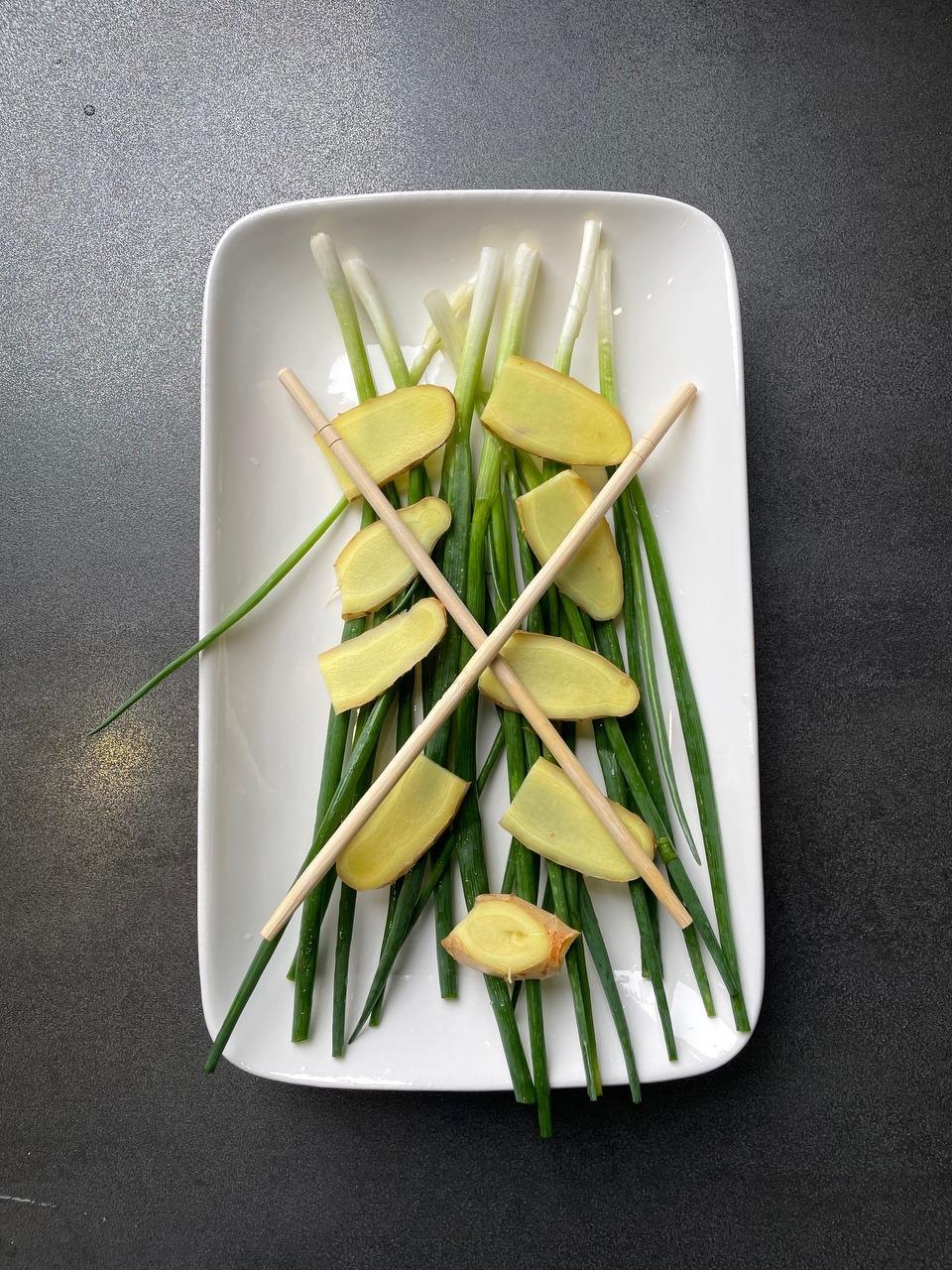
Look for thisDo not use plastic or coated chopsticks. The fish should be supported above the liquid that collects in the plate.
Set the opened fish on the plate
Place the cleaned fish over the aromatics with the opened sides spread out. Keep it stable and avoid folding one side into a thick pile. Bring water to a boil underneath the steamer rack. The source photo includes roe beside the fish; this recipe does not require roe.
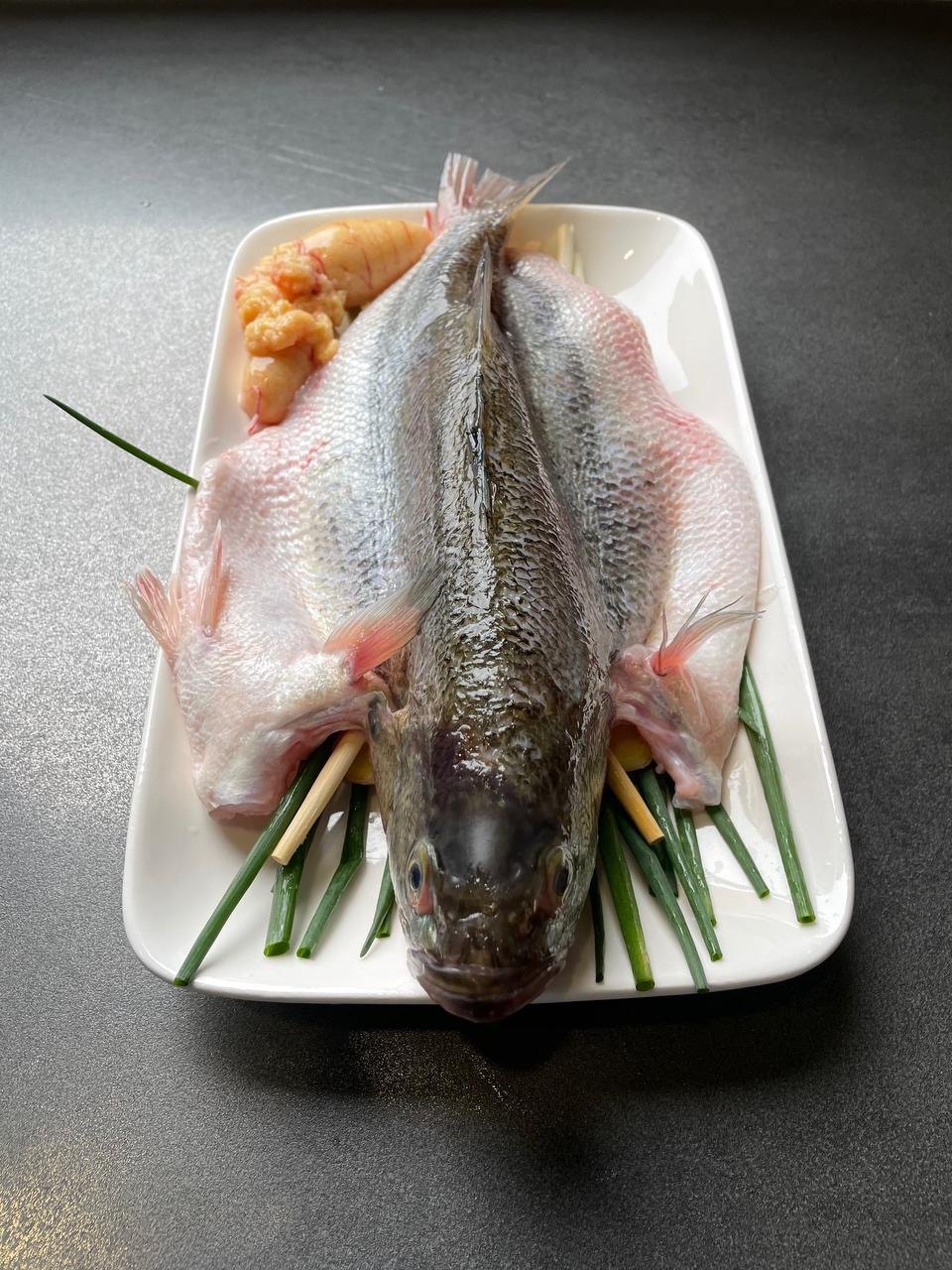
Look for thisThe plate stays level and above the boiling water, not partly submerged.
Steam, then measure doneness
Lower the plate onto the rack above boiling water and close the lid. Maintain steady steam and begin checking at about 7–8 minutes. The time varies with fish thickness and your steamer. Insert a clean thermometer into the thickest flesh without touching bone and check 63°C / 145°F. Continue steaming if needed. Keep enough water in the pot to avoid boiling it dry.
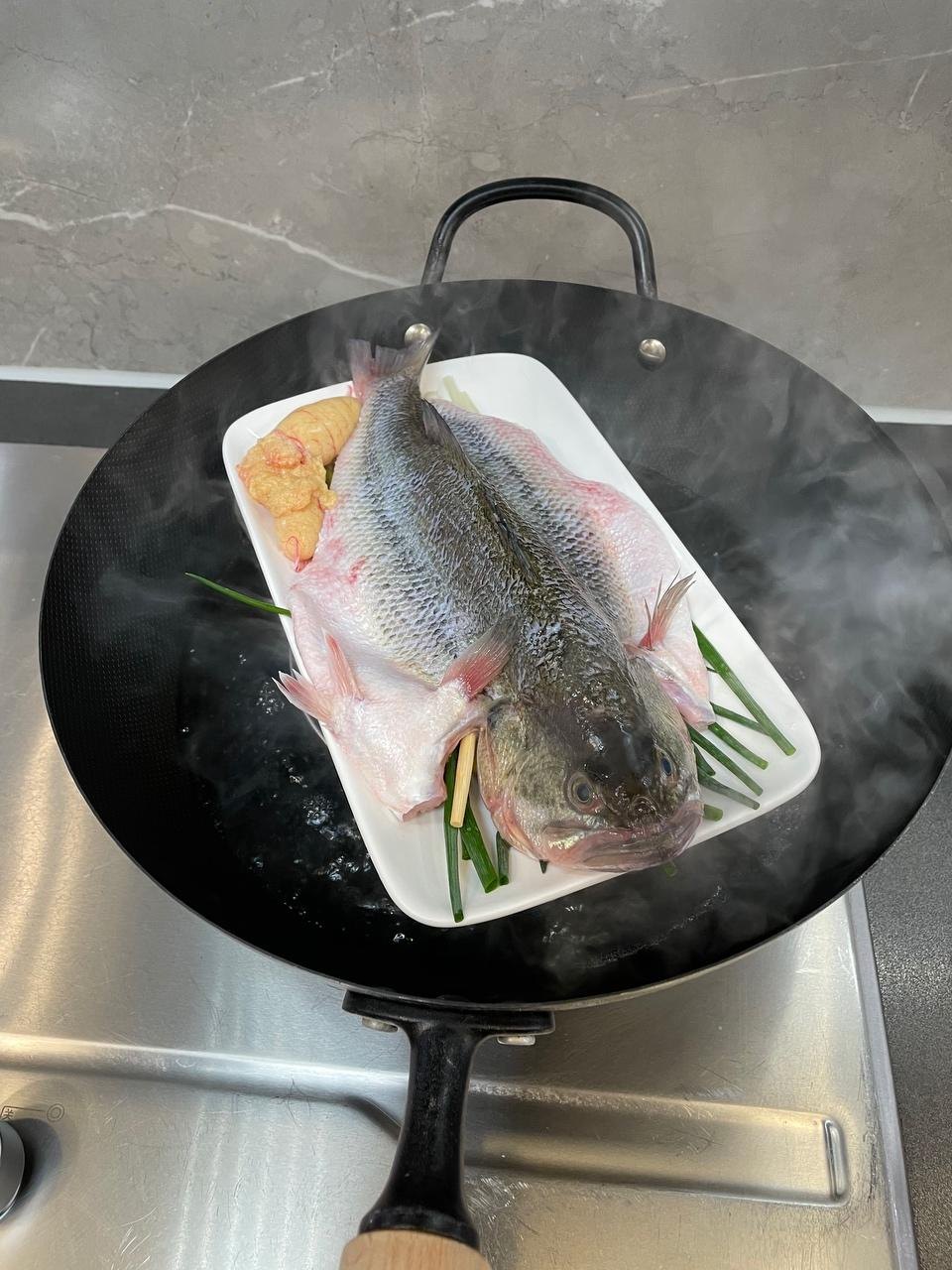
Look for thisThe 7-minute time in the source is a starting check, not proof of doneness for every 750 g fish.
Ready the fresh garnish and sauce
While the fish steams, arrange the shredded scallion, ginger matchsticks and optional chili in a dry bowl. Measure the seasoned seafood soy sauce separately. If the scallion shreds were soaked briefly to curl them, drain and pat them dry.
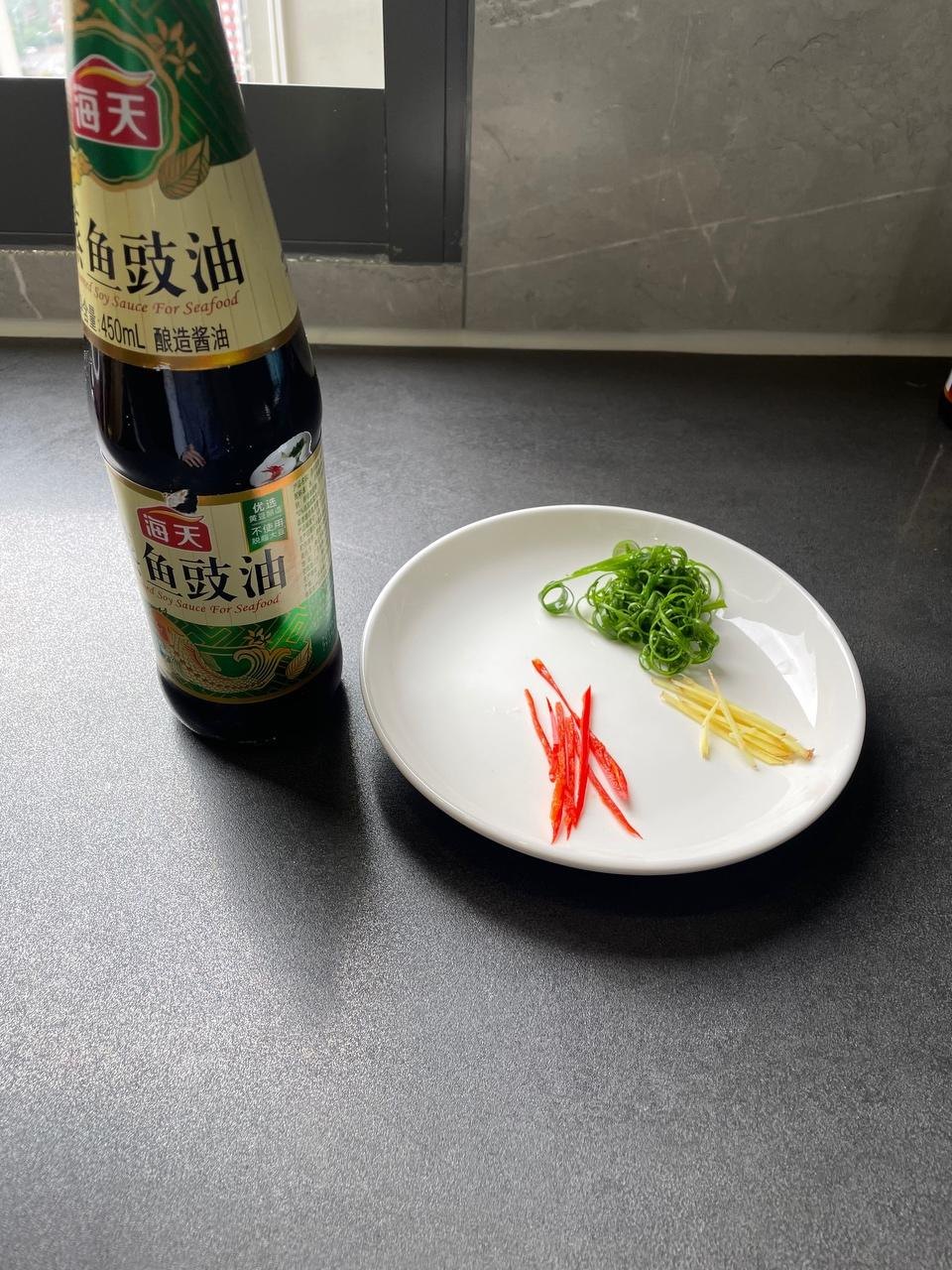
Look for thisThe labeled bottle in the source photo is seasoned soy sauce for seafood, not fermented fish sauce; any suitable brand can be used.
Move to a clean serving plate
When the fish has reached the temperature check, lift out the plate with mitts, keeping your face away from the steam. Carefully move the fish to a clean warm serving plate, leaving the used ginger, scallion and accumulated liquid behind. Spoon about two thirds of the measured seasoned soy around the fish; reserve the rest to adjust at the table.
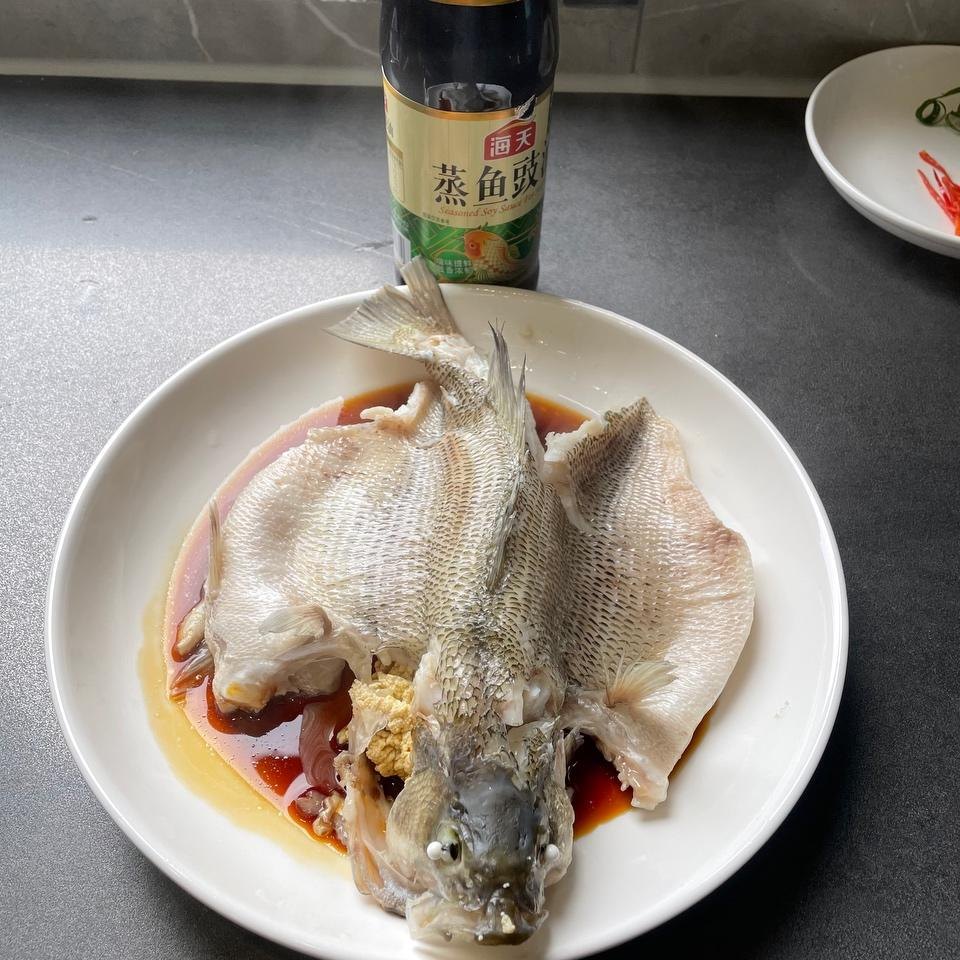
Look for thisUse two wide spatulas to support the fish so the opened sides do not tear.
Finish the aromatics with hot oil
Top with the dry fresh ginger, scallion and optional chili. Warm the oil in a small dry saucepan until hot and shimmering but not smoking. Turn off the heat, stand back and carefully spoon the oil over the aromatics in a thin stream. It should sizzle; do not pour water into the oil. Serve promptly with rice, checking portions carefully for bones.
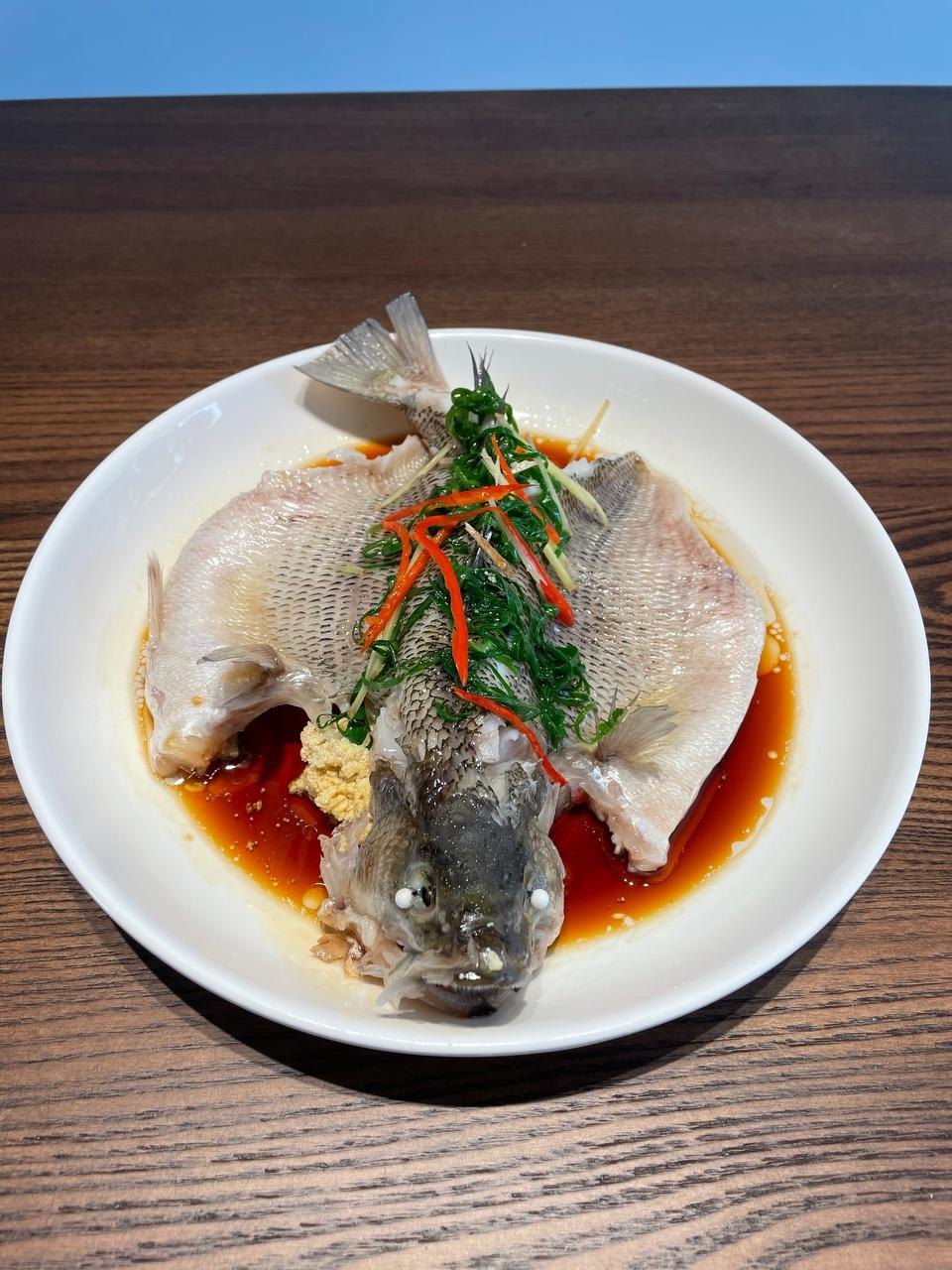
Look for thisA small controlled drizzle is enough. If the oil starts smoking, take it off the heat and let it cool before using.
When it doesn’t go to plan
The outside is cooked but the flesh near the bone is not
Check that the fish was opened as shown, the lid seals and the water keeps steaming. Continue cooking and measure the thickest flesh without touching bone; do not rely on whitened skin.
The fish is dry
Begin checking earlier next time and stop once the thermometer confirms doneness. A thicker fish, a different plate and a different burner all change the schedule.
The sauce tastes too salty
Start with only part of the measured seafood soy and keep it around the fish rather than saturating the flesh. Brands differ. Serve with plain rice; do not substitute the same amount of dark soy.
The hot oil splutters
Drain and dry the fresh garnish, use a dry saucepan and spoon the oil in a controlled stream. Keep water away from hot oil and do not let the oil smoke.
Small details, better cooking.
- Look for a bottle labeled seasoned soy sauce for seafood or steamed fish. Dark soy sauce is for a different role, and Vietnamese or Thai fish sauce is not a direct substitute.
- The source opens a whole fish along the backbone; a closed whole fish of the same weight can cook more slowly. Judge the thickest flesh, not just total weight.
- Avoid scaling this into one enormous fish. Two smaller fish on separate plates are easier to steam evenly; verify each one independently.
- Refrigerate leftovers within two hours at 4°C / 40°F or below. Remove accessible bones before storing if helpful, and reheat thoroughly only once. Fish is best-textured just after steaming.
Working with what you have
Sea bass
A similar-size whole branzino or other white-fleshed fish recommended by the fishmonger
Ask for the same cleaned and opened preparation. Species and thickness change cooking time; measure doneness.
Seasoned soy sauce for seafood
A light-soy mixture as an adaptation
For a starting 3 tbsp mixture, combine 2 tbsp light soy, 1 tbsp hot water and 1/2 tsp sugar. Dissolve and use gradually; this editorial substitute is not identical to a commercial seafood soy.
Red chili
A few thin strips of red bell pepper, or omit
The dish remains ginger-and-scallion led, with less heat.
A dedicated steamer
A lidded wok or wide pot with a stable rack
Use a heatproof plate above the water and make sure steam can circulate. Never balance a plate on an unstable support.
Need a unit conversion? Open kitchen tools. For ingredients, visit the pantry.
Questions from the kitchen
Can I use fish fillets for this steamed fish recipe?
The photos and timing here are for an opened whole fish, not fillets. Fillets can steam with similar aromatics but need their own thickness-based schedule; check 63°C / 145°F in the thickest part.
What is steamed fish soy sauce?
It is a seasoned soy sauce sold for seafood or steamed fish. It is not the same as fermented fish sauce, and it is not dark soy sauce.
Should I pour the soy sauce on before steaming?
In this version the fish steams with ginger and scallion first. It then moves to a clean plate, and the soy sauce, fresh garnish and hot oil go on at the end.
Is seven minutes always enough?
No. Seven minutes is the source author’s example for their opened fish. Begin checking around 7–8 minutes and continue until the thickest flesh reaches 63°C / 145°F.
Do I have to heat the oil until it smokes?
No. This adaptation uses hot, shimmering oil and a controlled drizzle. Smoking oil is unnecessary and increases the chance of burnt flavor and splashing.
Prefer to send a private correction?
Sources & editorial notes
Independently written in English using the references below. Timing and ingredient adjustments still need home-kitchen validation. No source photographs or text are reproduced without permission.
- 10分钟做 清蒸鲈鱼 (附切鱼图解) — 我的可乐不能喝. Accessed 2026-09-27.
- Selecting and Serving Fresh and Frozen Seafood Safely — U.S. Food and Drug Administration. Accessed 2026-09-27.
- Five Keys to Food Safety: practical reminders — Hong Kong Centre for Food Safety. Accessed 2026-09-27.
FROM YOUR KITCHEN
Made it? Make it yours.
Share your plate, tell us what you changed, or ask a cooking question. Your experience can help the next home cook.
Kitchen notes 0
The table is ready for your first plate.
No public notes yet. A home-cooked result does not have to look perfect to be worth sharing.
Next on the table
 01
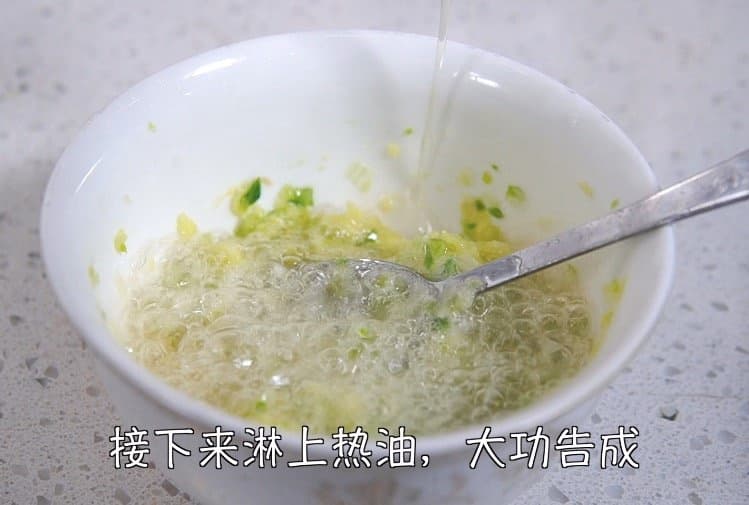
01Ginger Scallion Sauce
A spoonable ginger-and-scallion condiment using a simple 1:2:2 tablespoon ratio. See how finely to chop the aromatics, add the hot oil carefully and finish a small batch for chicken, tofu or rice.
 02
02Cantonese Steamed Eggs
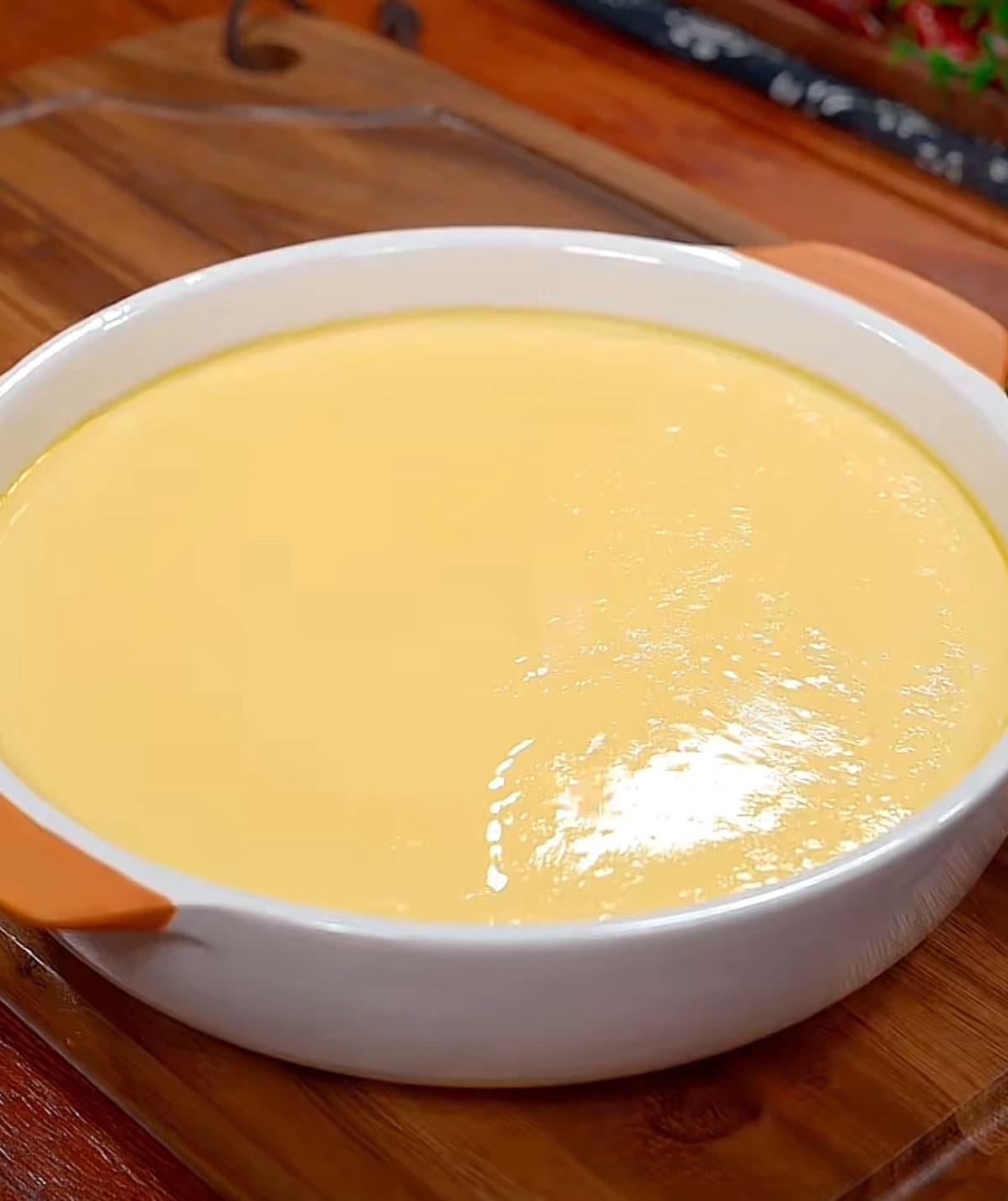
Cantonese steamed eggs use 1 part beaten egg to 1.5 parts lukewarm water by volume: 200 mL egg needs 300 mL water. Gently steam the mixture in a shallow, loosely covered heatproof dish until the center is set. A lidded pot and stable rack work without a bamboo steamer; dish depth and your stove determine the time.
 03
03Steamed Eggplant with Garlic Dressing
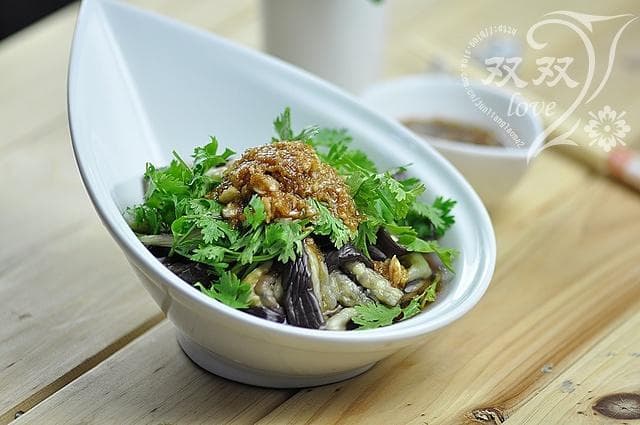
Soft steamed eggplant with a bright garlic, soy and sesame dressing. Make this easy vegetable side in about 25 minutes and serve it with rice and your favourite Cantonese dishes.