CANTONESE HOME COOKING
Cantonese Sizzling Pork Ribs (Jue Jue Bao)
啫啫排骨
Cantonese sizzling pork ribs, or jue jue bao, cook over onion, ginger and garlic in a covered pot. A black bean marinade gives these Guangdong-style ribs their savory depth; moderate heat keeps the onion base from burning.
By Canto Hearth Editorial
Jump to ingredients & steps ↓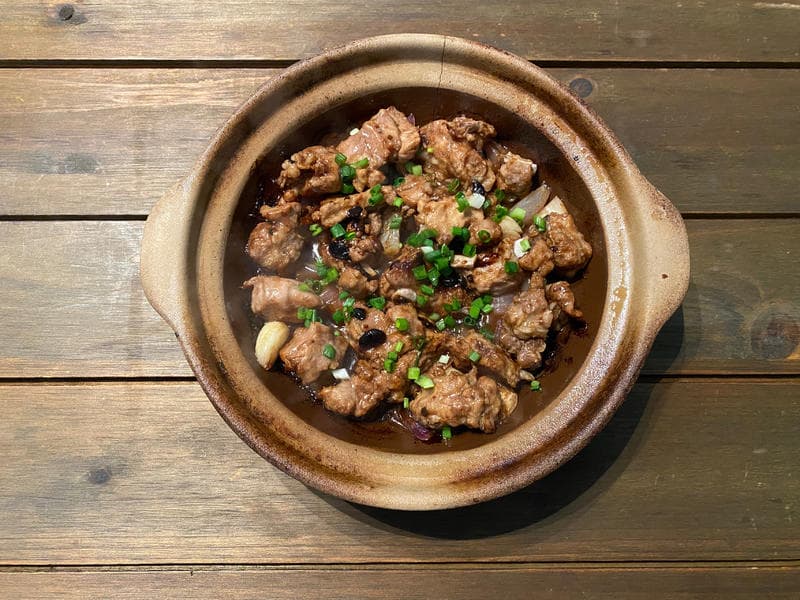
Let’s cook.
Dry and marinate the ribs
Pat the ribs dry with paper towels. Mix the soy sauces, oyster sauce, 1 tbsp rice wine, black bean paste, cornstarch, sugar, optional salt and pepper. Coat the ribs, then mix in 1 tbsp oil. Marinate for 10 minutes in the refrigerator while you prepare the vegetables.
Build an aromatic base
Use a flame-safe clay pot or a small heavy lidded skillet. Heat the remaining oil over medium heat. Add onion, ginger, garlic and scallion whites; stir until fragrant. Spread them into a bed that keeps most of the meat away from the bare pot.
Add the ribs in one layer
Arrange the ribs evenly over the aromatics. Pour the remaining rice wine into the pot away from any open flame, then cover. Raise the heat briefly until you hear a steady sizzle, then immediately reduce to medium-low.
Cook gently and check the center
Cook for about 10 minutes, checking that the base is not scorching. Time varies with rib size and cookware. Measure the thickest meat away from bone: whole-cut pork should reach at least 63°C / 145°F and rest for 3 minutes; continue cooking if needed. For a drying pan, add a small splash of hot water around the edge.
Finish and serve
Rest covered for 3 minutes, scatter over the scallion greens and serve with steamed rice. Place the hot pot on a heatproof trivet. Spoon some onion and black bean juices over each serving.
Small details, better cooking.
- Use small cross-cut ribs: long barbecue ribs will not cook on the same schedule.
- The signature sizzle comes from hot cookware; keeping maximum heat on throughout will burn the onion.
- Measurements use a 15 ml tablespoon and a 5 ml teaspoon. Total time includes preparation, marinating and resting.
Working with what you have
Clay pot
Use a small heavy skillet with a close-fitting lid.
Avoid dry-heating ordinary ceramic serving bowls; they are not stovetop cookware.
Black bean paste
Finely chop fermented black beans.
They can be saltier than paste; reduce the optional salt first.
Need a unit conversion? Open kitchen tools. For ingredients, visit the pantry.
Questions from the kitchen
What is jue jue bao?
Jue jue bao is a Cantonese sizzling-pot style of cooking, named for the sound from the hot pot. Here, small pork ribs cook over aromatics under a lid.
Can I make sizzling ribs without a clay pot?
Yes. A small heavy skillet and tight lid provide the enclosed heat needed for this version. Keep the ribs in one layer.
Why did the onion burn?
The heat stayed too high or the pot dried out. Lower the heat once sizzling begins and add a little hot water if the base looks dry.
Next on the table
 01
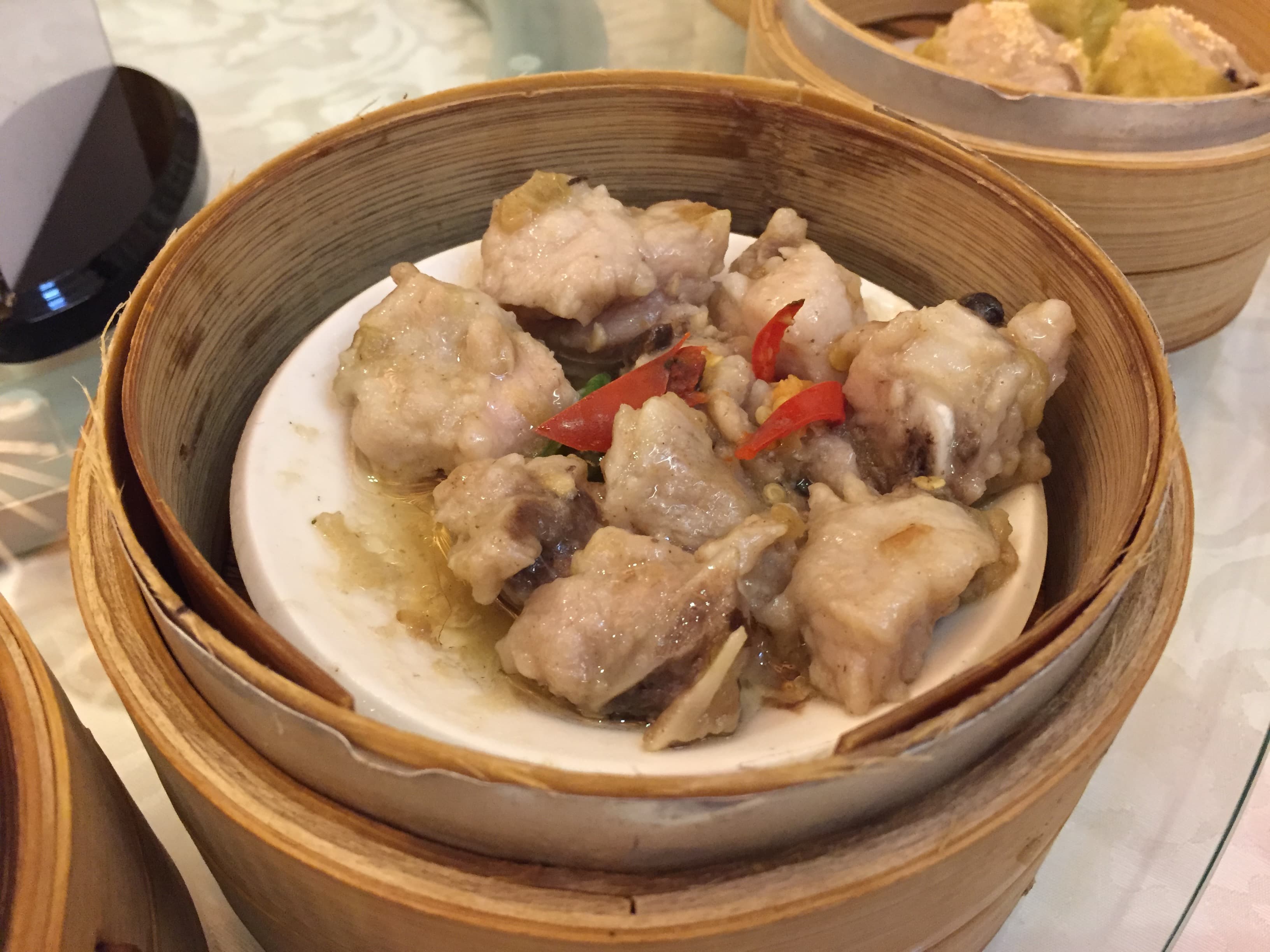
01Steamed Pork Ribs with Black Beans
Small pork-rib pieces steamed with fermented black beans and garlic. Learn which beans to buy, how to arrange the dish and how to check doneness. Not yet kitchen-tested.
 02
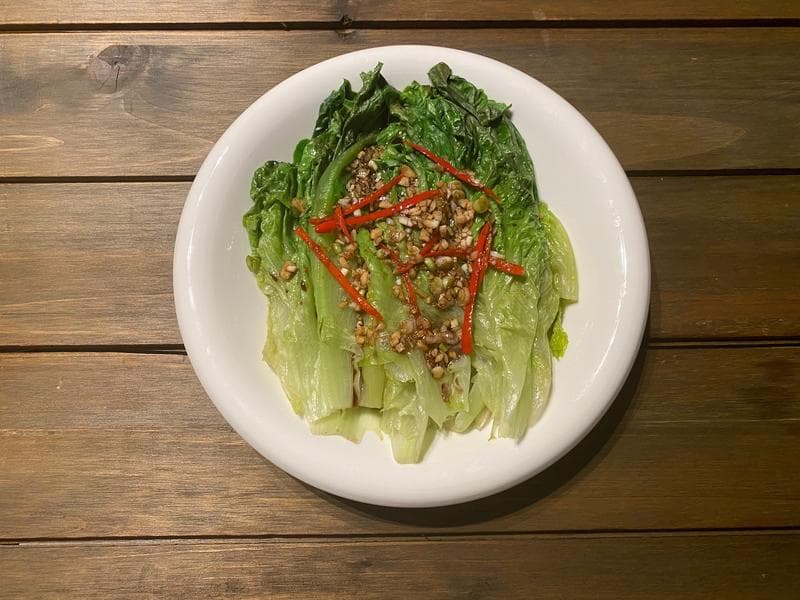
02Cantonese Blanched Lettuce with Garlic Soy Dressing
Cantonese blanched lettuce, or bai zhuo sheng cai, pairs just-wilted leaves with a fragrant garlic and soy dressing. A small amount of black vinegar gives this quick Guangdong vegetable side a rounded flavor without a heavy sauce.
 03
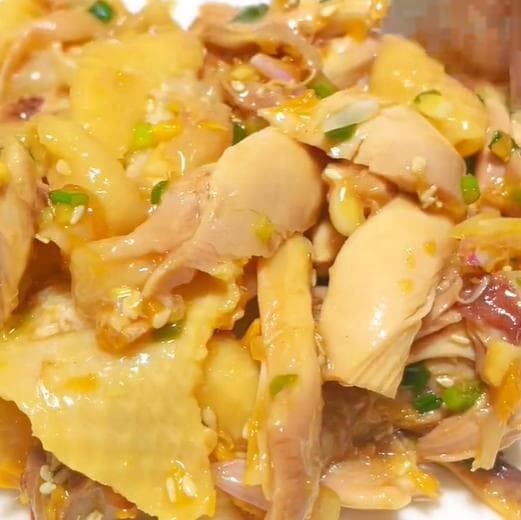
03Cantonese Ginger Scallion Chicken
Cantonese ginger scallion chicken combines tender poached chicken with a warm ginger, shallot and scallion dressing. This shredded version of jiang cong lao ji is easy to serve over rice, with the aromatic sauce tossed through just before eating.